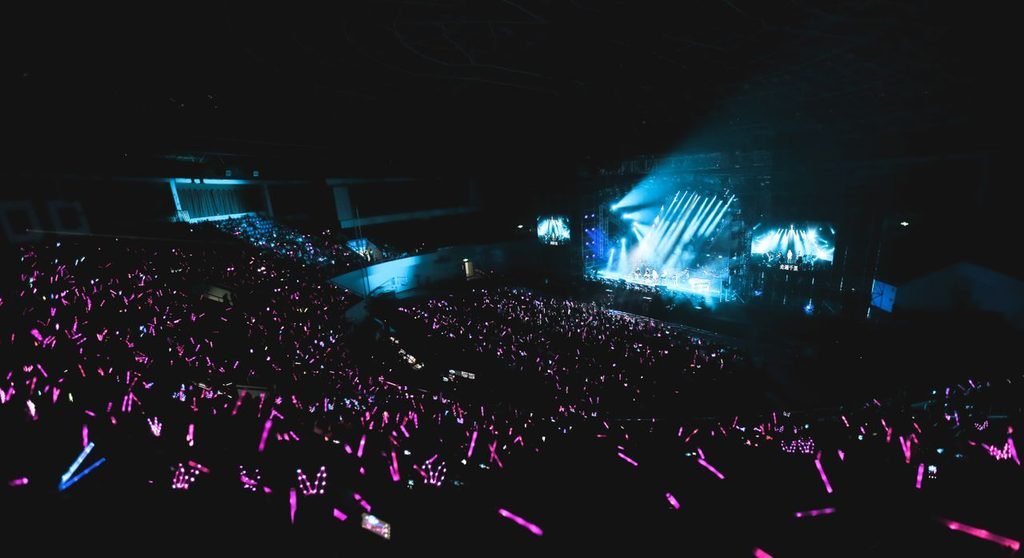
Image by Teddy Yangon Pexels. (All photos and videos on Pexels can be downloaded and used for free).
1 You Think
MICHI
This was a bad idea.
I was one flight of stairs away from the classroom that the Era of Maidens-Dresden University Fan Club chose for the anniversary potluck. There was time to change my mind.
Since the event was announced a month ago, I’d debated with myself about going. There would be food, people to yap with about Era of Maidens, and I’d been talking to these friends for more than a year now.
Online, though. I’d never actually met them in person.
Carla de Guzman is a contemporary romance author based in Quezon City. She is the author of 13 titles, including Manila Takes Manhattan and The Last Guy You Kiss published by Harlequin’s Afterglow and Mills and Boon UK, Sweet on You and Match Made in Lipa with Carina Press (same publisher as Heated Rivalry) internationally, and Blooming Love with Vibal Publishing locally. Anvil Publishing is the former publisher of Midnights in Bali, now Some Bali to Love independently. Audiobook editions of If The Dress Fits, The Queen’s Game, and How She Likes It were published by Everand.
She continues to self publish her books, enjoys being a part of Romanceclass and was a delegate for the Frankfurt Buchmesse in 2024. Her book, Sweet on You, was recently released as a movie retitled to Recipe for Romance and aired on the CW and Crave Canada.
She also designs book covers, has appeared on talks and panels as a romance writer and reader, creates hand lettering titles, and has written articles for Esquire, Spot.ph, When in Manila, and Philstar Life. She also recently worked on the English translation for the online webcomic Duty Ka Ba? by Tepai Pascual, published by Avenida Press.
She is a Capricorn Sun and a Virgo moon, and runs Magdamag Market Cafe with her siblings. Her usual coffee order is an iced latte, and she’s currently using a Hobonichi A6 as ring planner to keep it all together.
Image by Valeriia Milleron Pexels. (All photos and videos on Pexels can be downloaded and used for free).
1. INT. SATURDAY MORNING. A CAFE IN LEGAZPI VILLAGE, MAKATI.
JAIME is sitting alone at one of the tables by the window at the corner of the cafe. It’s relatively early so there are not a lot of people, but there’s the sound of coffee grinding in the background, steam coming off of the espresso machine, and music playing low in the background. This is the kind of cafe that would be labeled a “hidden gem,” even if it is on the streets of Legazpi Village. Not a single bossa nova cover can be heard, and the beans are from A Roaster You’ve Definitely Heard Of. Occasionally, you can hear the muffled sound of a car passing by.
JAIME is in his thirties. Handsome, casual and cool, he exudes a mabango rich boy elegance. Yung tipong maginoo pero medyo fuckboy parin. Definitely wore chino shorts and boat shoes in college, naka Uniqlo pants and Onitzuka Tigers na ngayon. He enters the cafe after parking his car on the street, and takes off his sunglasses.
KB Meniado fell in love with stories at six years old and has never looked back. A Filipino writer, editor, and community builder from Davao City, she founded Bookbed, Silent Book Club Davao, and OK to BE, and has been supporting #romanceclass since 2015. She writes stories about finding your people, choosing what matters, and creating moments that feel like home.
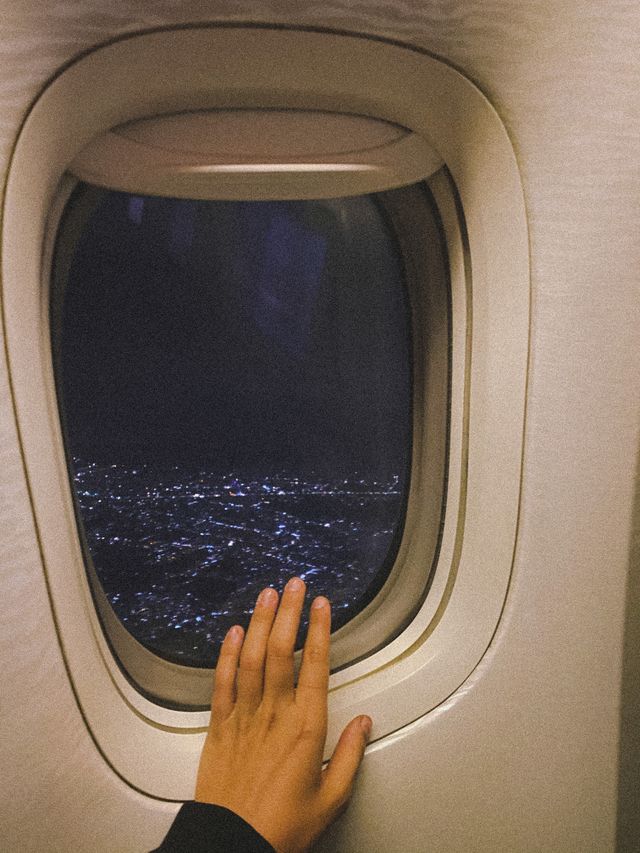
Image by Наталья Маркинаon Pexels. (All photos and videos on Pexels can be downloaded and used for free).
Chapter One – Final Boarding Call
Some would say four hours of flight time is short.
I’m not one of them.
Sure, I’ve taken longer flights before, but four hours is still long enough to make me very aware of the hum of the plane engine and the many directions my thoughts can take in a flying metal tube.
I plan to sleep through this late-night flight, but first, I will go through my photo gallery and cling to that wonderful week in Hong Kong and Macau with friends—birthday celebrations, endless dim sum, and too many photos and steps I’m not quite ready to move on from yet. We just said goodbye at the lounge less than thirty minutes ago, after all.
I could’ve flown home with everyone. My sister Robbie would’ve loved that—especially with the promise of egg tart pasalubong. But multiple flights and more time in the air just weren’t for me. I’d gotten used to flying in and out of Davao instead of connecting via Manila.
So I chose the more practical route: Hong Kong straight to Singapore.